Unpacking the Silent Role of Interface Design Tweaks in Steering Session Lengths and Bet Variety Across Mobile Wagering Platforms
Written by Casey Krause · May 18, 2026
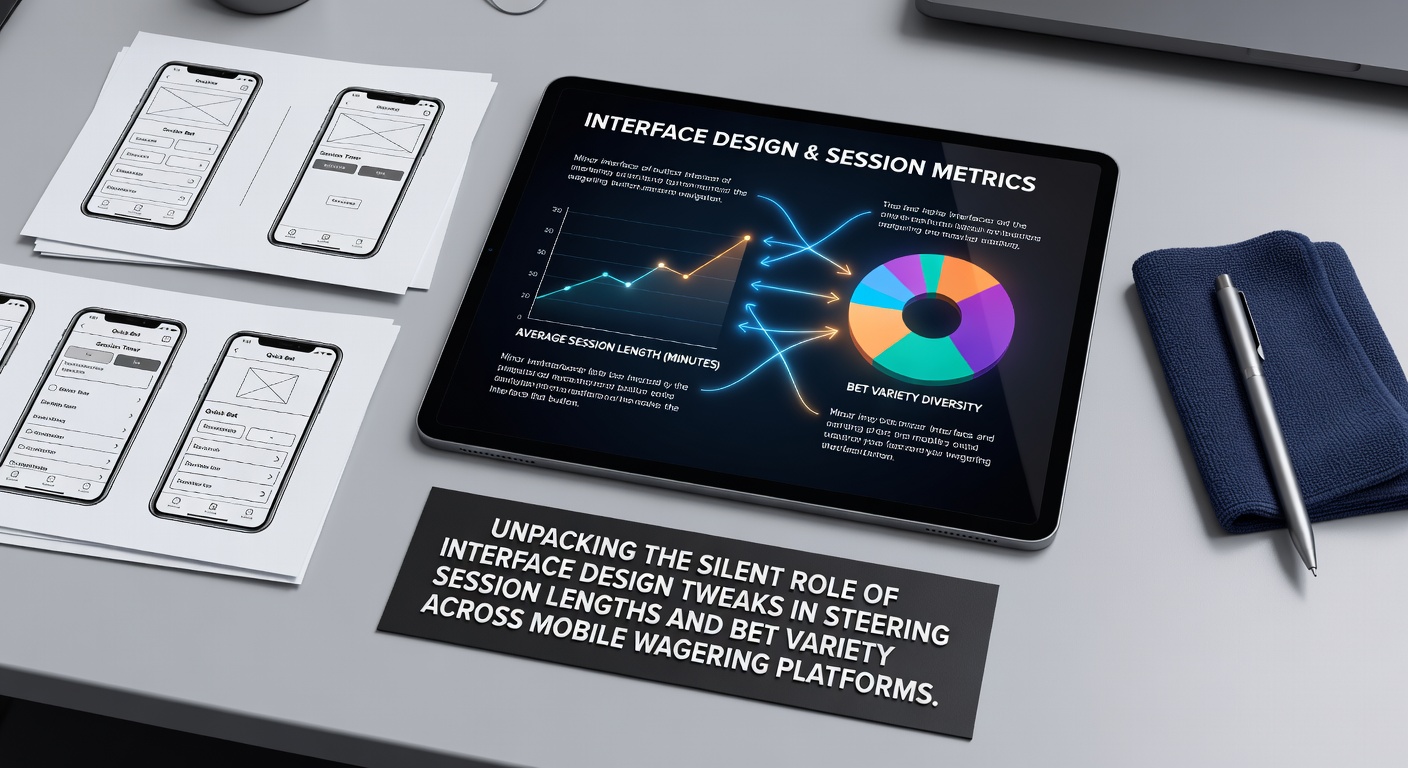
Unpacking the Silent Role of Interface Design Tweaks in Steering Session Lengths and Bet Variety Across Mobile Wagering Platforms
Subtle adjustments to mobile wagering interfaces have gained attention from researchers and platform operators alike, particularly as data from May 2026 continues to highlight shifts in user engagement patterns across digital betting environments. These tweaks often involve minor changes in button placement, color contrasts, scroll speeds, and menu organization that guide how long individuals remain active on an app and which wager types they explore during a session. Observers note that such modifications operate below the level of conscious awareness for most users yet produce measurable differences in behavior, according to aggregated analytics shared by several industry monitoring groups.
Core Interface Elements and Their Measurable Effects
Platform developers frequently experiment with the positioning of quick-bet buttons and the visibility of multi-leg options within a single screen view, and these adjustments correlate with extended session durations in multiple datasets. When primary action elements sit within easy thumb reach on larger phone models, users tend to complete additional selections without exiting the current screen flow. Research indicates that reducing the number of taps required to place a parlay-style wager encourages broader exploration of bet combinations rather than repeated single-event stakes. Data shows that apps incorporating persistent side panels for live odds updates maintain longer average engagement periods compared with those that hide such panels behind additional menus, while the same panels sometimes steer participants toward higher-variety selections when the layout presents several categories simultaneously.
Session Length Patterns Across Different Design Approaches
Analyses of user telemetry from major mobile platforms reveal that incremental alterations to loading animations and confirmation dialogs influence the time users allocate to each visit. Smoother transitions between betslip and account balance screens reduce friction points that previously prompted early exits, and platforms adopting these refinements recorded average session extensions of several minutes during controlled rollouts conducted through early 2026. One examination of European and North American applications found that darker theme options paired with high-contrast accent colors for active bets sustained engagement longer than lighter palettes, particularly during evening hours when screen brightness settings vary widely among users. Yet the same studies also documented that excessive animation density sometimes shortened visits when users perceived delays in response, underscoring the narrow margin between helpful and counterproductive refinements.
Bet Variety and Visual Hierarchy
Design hierarchies that emphasize accumulator or system bets through larger preview cards tend to increase the proportion of multi-outcome wagers selected within a single session. Researchers tracking clickstream data across several jurisdictions have observed that users presented with horizontal scrollable carousels of niche markets explore a wider range of proposition bets than those navigating strictly vertical lists. This pattern holds across different demographic segments, although the magnitude varies with prior experience levels reported in user surveys. A report issued by the Responsible Gambling Council of Canada highlights how micro-adjustments in filter defaults, such as pre-selecting popular leagues, channel attention toward familiar sports while simultaneously surfacing related side markets that expand overall variety without requiring additional search steps.
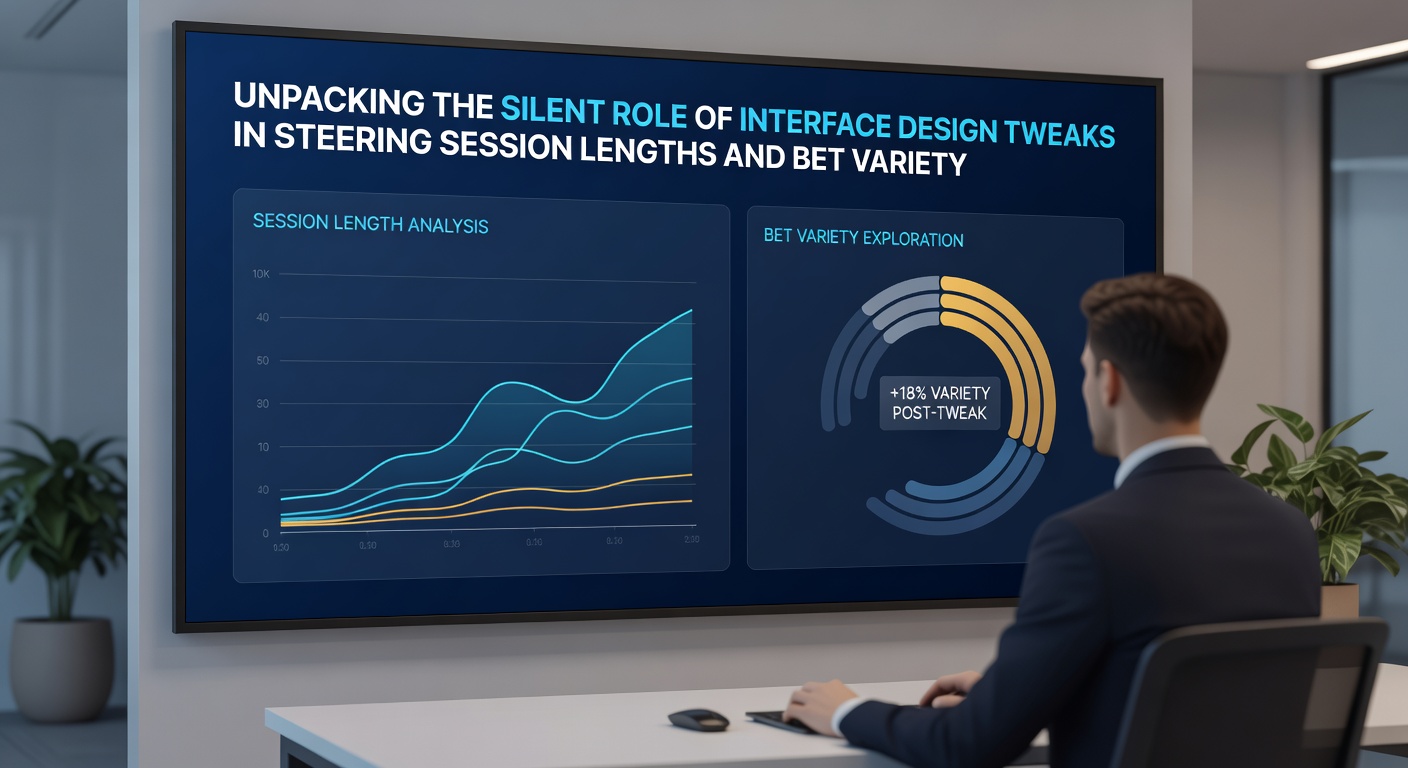
Further examination of Australian market data released in the first quarter of 2026 shows comparable trends when interfaces incorporate collapsible sections for statistical overlays. These overlays, when positioned adjacent to selection areas rather than in separate tabs, prompt users to review supplementary information that often leads to diversification of wager types within the same active period. The integration of real-time form indicators directly beside odds values has produced similar diversification effects in platforms serving the Asia-Pacific region, where rapid updates encourage repeated adjustments to initial selections before final confirmation.
Regulatory Context and Platform Adaptations
Regulatory bodies in multiple regions have begun requesting more granular reporting on interface-driven behavioral metrics as part of ongoing compliance frameworks. In May 2026 several operators submitted updated documentation detailing how recent layout revisions align with responsible gambling guidelines while maintaining commercial objectives. These submissions frequently reference internal A/B testing results that quantify shifts in both session duration and the distribution of bet categories. Industry organizations such as the European Gaming and Betting Association have compiled comparative overviews that illustrate regional differences in how interface standards translate into measurable engagement patterns, providing operators with benchmarks for future refinements.
Future Trajectories for Interface Refinements
Developers continue to test adaptive layouts that respond to individual usage history without crossing into personalized targeting that raises privacy considerations. Early implementations adjust default betslip configurations based on aggregate cohort behavior rather than individual profiles, and preliminary results suggest these cohort-level tweaks can stabilize session lengths across broader user bases. Ongoing studies track whether such adaptations also moderate the range of bet varieties selected, particularly among newer participants who encounter fewer overwhelming options at the outset. As data collection methods improve through 2026 and beyond, clearer linkages between specific design variables and behavioral outcomes are expected to emerge from collaborative research efforts involving both academic institutions and platform providers.
Conclusion
The cumulative influence of interface design tweaks on session lengths and bet variety remains a focal point for operators seeking balanced engagement strategies. Evidence from multiple monitoring programs demonstrates that minor adjustments in navigation flow, visual emphasis, and information layering produce consistent directional changes in user activity patterns. Continued documentation of these effects will support more precise alignment between platform features and broader industry standards as mobile wagering ecosystems evolve.