Regulatory Frameworks Shaping AI Development for Fraud Detection in Global Gambling Networks
Written by Casey Krause · Aug 15, 2026
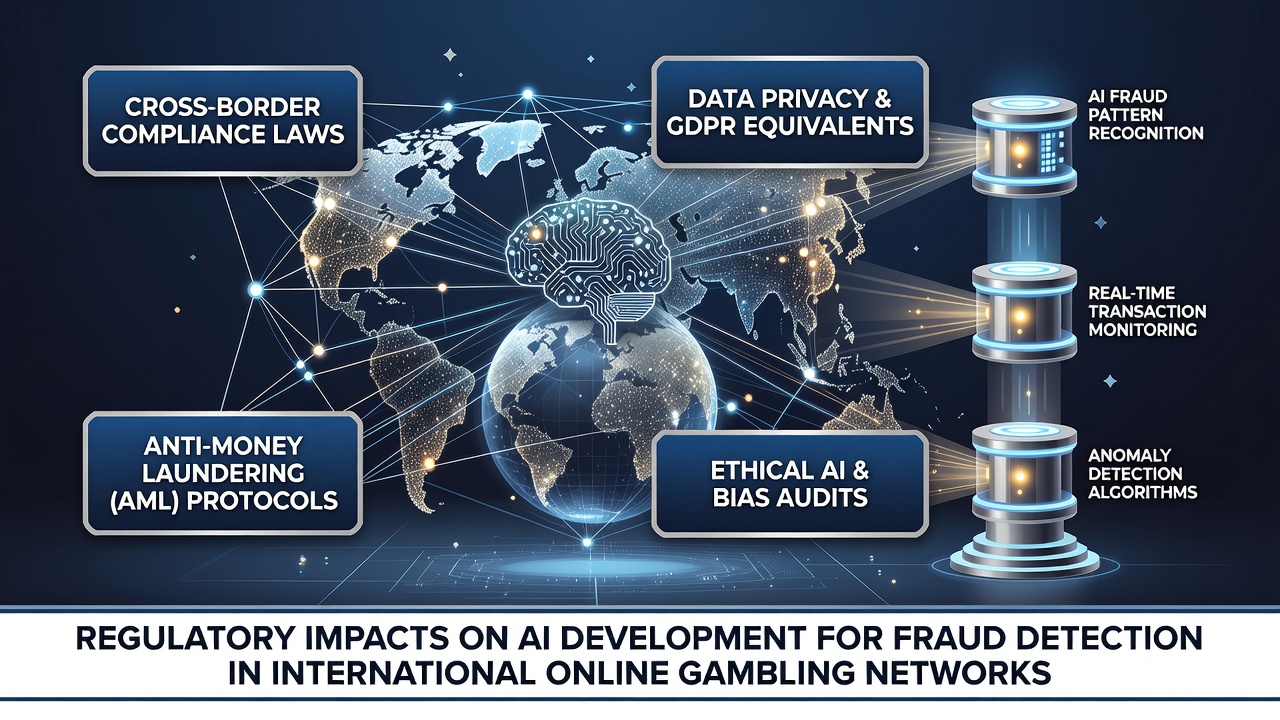
Regulatory Frameworks Shaping AI Development for Fraud Detection in Global Gambling Networks
Regulatory bodies across multiple continents have introduced layered requirements that directly influence how developers build artificial intelligence systems for spotting fraud in cross-border online gambling operations, and these rules cover data handling, algorithmic transparency, and cross-jurisdictional data sharing. Governments in the European Union, North America, and the Asia-Pacific region each enforce distinct standards that operators must meet before deploying machine learning models capable of monitoring transaction patterns, account behaviors, and collusion signals in real time.
Regional Regulatory Approaches and Their Technical Demands
The European Union's Artificial Intelligence Act classifies certain fraud-detection tools as high-risk systems, which means developers must document training datasets, conduct conformity assessments, and ensure human oversight mechanisms remain active throughout deployment. As of August 2026, updated guidance from the European Commission requires that any model processing personal betting data across member states include provisions for explainable outputs so regulators can audit decisions that flag suspicious wagers. Operators working across EU borders therefore integrate audit logs and model cards into their AI pipelines to satisfy these obligations.
In the United States, state-level gaming commissions coordinate with federal agencies such as the Federal Trade Commission on data-privacy expectations that affect AI training practices. Several states now require explicit consent protocols when historical transaction records feed into models designed to detect bonus abuse or money laundering across sportsbooks and casinos. Research from academic centers tracking these policies shows that firms operating multi-state platforms often segment their datasets geographically to comply wth varying consent thresholds.
Data Privacy Rules and Model Training Constraints
Privacy regulations in Canada and Australia add further specifications around cross-border data transfers that support international gambling networks. The Office of the Privacy Commissioner of Canada, for instance, mandates impact assessments before personal information moves into centralized AI systems that analyze fraud indicators from multiple provinces. Similar rules from the Australian Communications and Media Authority require operators to demonstrate that anonymization techniques preserve enough signal for models to identify coordinated betting rings without exposing individual identities.
These constraints push engineering teams to adopt federated learning architectures and differential privacy methods so models can improve detection accuracy while staying within legal boundaries. Developers report that such techniques extend project timelines yet reduce the risk of regulatory penalties when platforms expand into new markets.

Explainability Requirements and Deployment Timelines
Regulators increasingly demand that AI fraud tools produce human-readable explanations for alerts, a standard reflected in guidance issued by bodies overseeing gambling in several Asian jurisdictions. When a model flags an account for potential collusion during live esports events, operators must supply documentation showing which features drove the decision. This requirement has led teams to favor hybrid models that combine deep learning with decision-tree layers, allowing quicker generation of audit trails during compliance reviews.
Industry reports indicate that platforms synchronizing fraud detection across borders now allocate additional resources to maintain version-controlled model documentation, because updates to one region's rules can trigger re-validation processes in others. Observers note that smaller operators sometimes partner with specialized compliance vendors to handle the documentation load while larger groups maintain in-house regulatory affairs divisions.
International Data-Sharing Agreements and Technical Integration
Mutual recognition agreements between certain regulatory authorities facilitate limited data exchange for fraud investigations, yet these pacts still require operators to implement technical safeguards such as encryption standards and access controls. Developers therefore embed role-based permissions and immutable audit logs into their AI platforms to support requests from multiple oversight entities without violating local statutes. One study released by a European research consortium examined how these safeguards affect latency in real-time detection systems and found measurable trade-offs between speed and compliance overhead.
Companies adapting their tools for global networks often maintain separate model instances tuned to regional risk profiles, which allows quicker responses when new fraud patterns emerge in specific markets. Data from industry associations tracking these adaptations show that firms with modular architectures encounter fewer delays when regulations shift.
Conclusion
Regulatory developments continue to steer the technical evolution of artificial intelligence systems used for fraud detection in international online gambling environments, and operators respond by embedding privacy controls, explainability features, and audit capabilities directly into their platforms. As frameworks evolve in different regions, the emphasis remains on balancing detection effectiveness with legal compliance across borders.