Mapping Regulatory Shifts in Emerging Markets to Feature Adaptations Across Global Mobile Wagering Ecosystems
Written by Anna Simmons · May 28, 2026
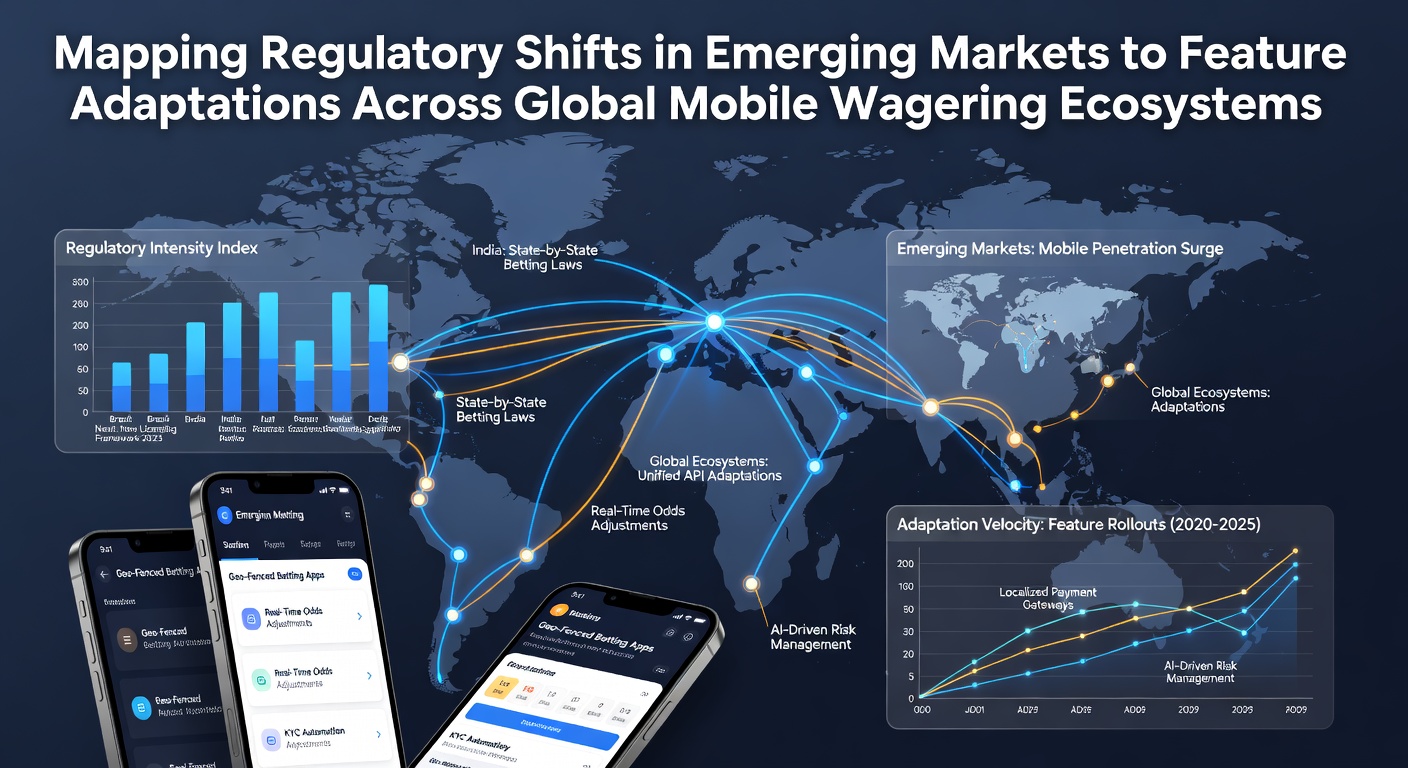
Mapping Regulatory Shifts in Emerging Markets to Feature Adaptations Across Global Mobile Wagering Ecosystems
Regulatory frameworks in emerging markets continue to evolve as governments balance revenue generation with consumer protection measures, and mobile wagering platforms respond by updating their technical infrastructures to meet new compliance standards. Data from industry reports shows that countries across Latin America, Southeast Asia, and parts of Africa introduced or revised licensing requirements between 2024 and 2026, prompting operators to integrate region-specific verification systems and localized payment gateways.
Brazil's sports betting regulations, which took full effect in 2025, required platforms to obtain federal licenses while implementing strict tax reporting protocols; operators adapted by deploying real-time transaction monitoring tools that sync with national databases. Similar patterns emerged in Kenya where the Betting Control and Licensing Board expanded oversight on mobile transactions, leading platforms to incorporate biometric authentication features that align with local data protection rules. Those who've tracked these developments note that adaptations often center on modular software architectures that allow quick regional toggles without overhauling entire codebases.
Key Regulatory Changes Across Regions
India's state-level variations created a patchwork of rules where some jurisdictions permitted skill-based games while others restricted real-money features entirely; global operators responded by segmenting user access through IP-based geo-fencing combined with account-level restrictions. Research indicates that these layered controls helped maintain service continuity even as new tax structures rolled out in early 2026. Meanwhile, South Africa's National Gambling Board advanced proposals for centralized player registries that forced platforms to redesign backend systems for cross-operator data sharing.
What's interesting is how these shifts intersect with mobile-specific demands. Emerging markets often feature high smartphone penetration yet limited banking infrastructure, so adaptations frequently include integration with local mobile money services like M-Pesa in East Africa or Pix in Brazil. Platforms that succeeded in these environments built flexible APIs capable of handling fluctuating regulatory reporting intervals, whether daily uploads in one jurisdiction or weekly summaries in another.
Technical Adaptations in Mobile Wagering Platforms
Mobile ecosystems absorbed these changes through updates to user interface layers and backend compliance engines. Developers introduced dynamic content delivery that adjusts available bet types based on user location and license status, while encryption protocols strengthened to satisfy emerging data residency laws. Observers note that companies with cloud-based deployments gained advantages because they could spin up region-specific instances faster than those reliant on fixed servers.
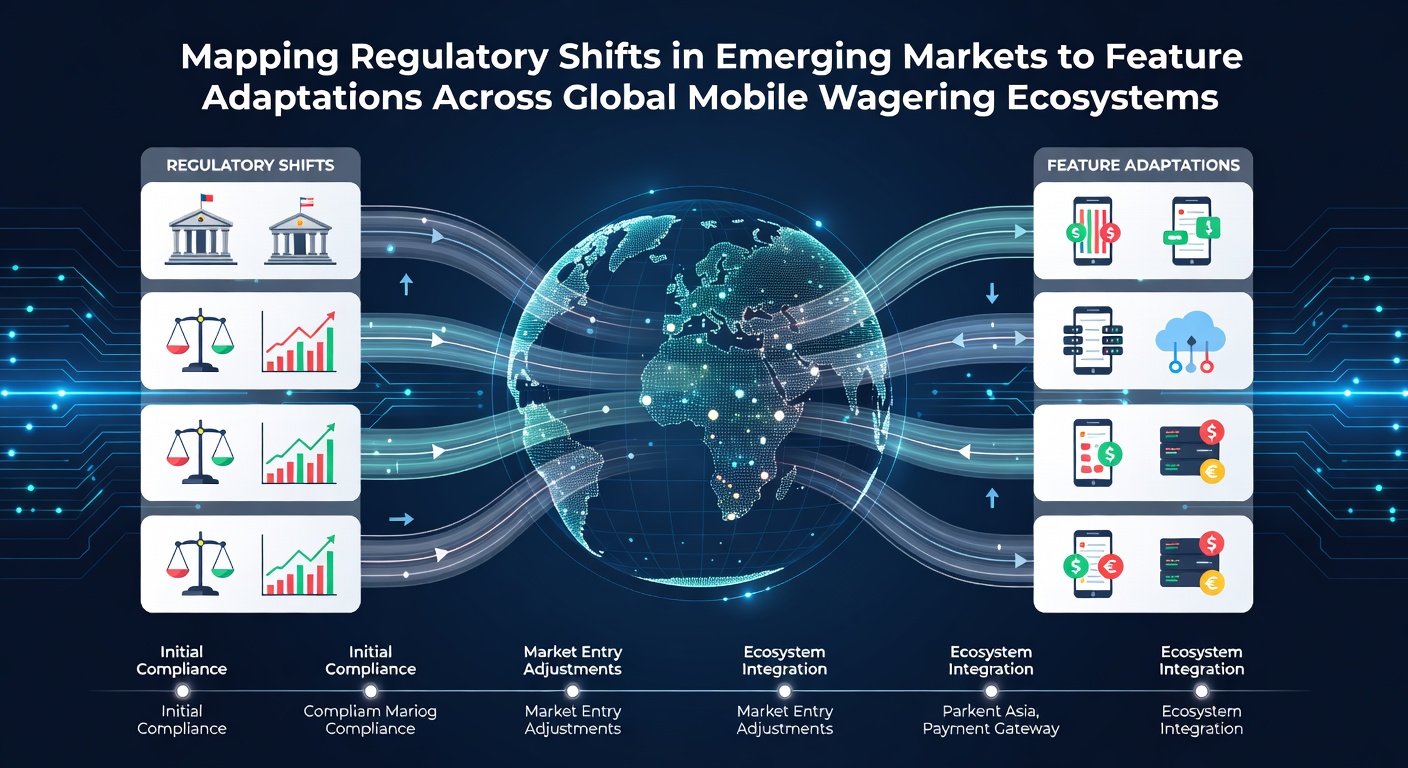
Payment flows represent another focal point. In markets where cryptocurrency regulations tightened during May 2026, several platforms phased in hybrid wallet systems that route transactions through licensed fiat gateways first. According to figures from the Alcohol and Gaming Commission of Ontario, similar payment verification requirements already exist in established jurisdictions and serve as reference models for newer regulators. This cross-pollination of standards accelerates adaptation timelines across borders.
Global Ripple Effects and Platform Responses
Global operators now maintain dedicated regulatory intelligence teams that monitor legislative calendars in real time. When a new market signals upcoming changes, these teams coordinate with engineering groups to prioritize feature flags that can activate or deactivate specific functionalities. Evidence suggests this proactive approach reduces downtime during transition periods compared to reactive patches implemented after rules take effect.
Case examples include platforms that partnered with local legal firms in Vietnam and Nigeria to pre-certify their mobile apps against draft regulations, allowing smoother launches once final approvals arrived. Those partnerships also informed user education modules that explain new responsible gaming tools required by local authorities, such as deposit limits and session reminders delivered through in-app notifications.
Looking Ahead to Integrated Compliance Models
Future adaptations point toward unified compliance dashboards that aggregate requirements from multiple jurisdictions into single oversight interfaces. Industry organizations like the International Betting Integrity Association have published frameworks that encourage standardized data formats for regulatory submissions, which could reduce duplication across platforms operating in several emerging markets simultaneously.
Conclusion
Regulatory shifts in emerging markets continue to drive targeted adaptations throughout global mobile wagering ecosystems, with platforms emphasizing modular technology, localized payments, and real-time monitoring systems. These changes reflect ongoing efforts by governments to formalize the sector while operators seek sustainable ways to maintain access and compliance across diverse legal landscapes.