Integrating Biometric Verification Layers with Real-Time Risk Scoring for Account Access in Interconnected Sportsbook and Casino Networks
Written by Wendy Wolf · Jun 25, 2026
Integrating Biometric Verification Layers with Real-Time Risk Scoring for Account Access in Interconnected Sportsbook and Casino Networks
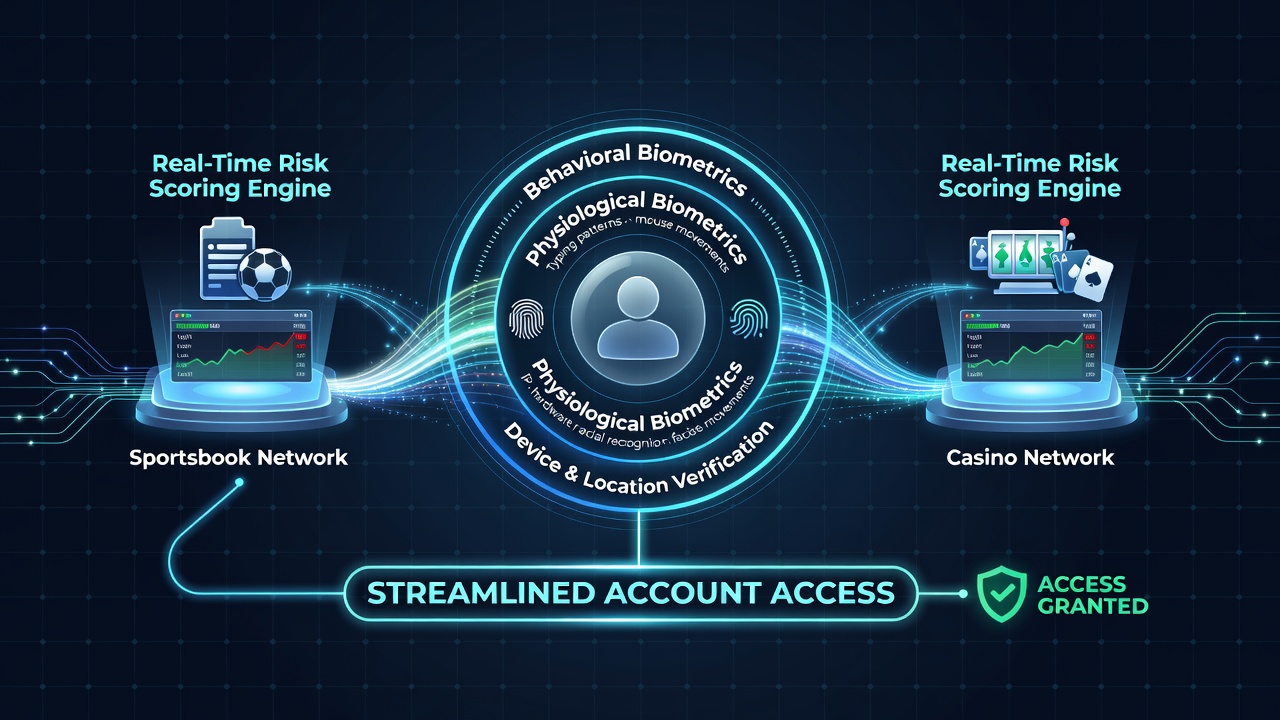
Biometric verification layers combine fingerprint, facial, and voice recognition technologies with real-time risk scoring systems to manage account access across linked sportsbook and casino platforms, and this integration allows operators to authenticate users while evaluating potential threats in a single continuous process. Data from device sensors feeds directly into scoring algorithms that assess login attempts based on location patterns, transaction history, and behavioral signals, while biometric matches confirm identity without requiring separate manual checks. Researchers have documented how these systems reduce friction during cross-platform sessions where players move between sports betting markets and casino games on shared networks.
Technical Architecture of the Integration
Biometric data capture occurs at the device level through secure APIs that transmit encrypted templates to centralized servers, and risk scoring engines then process this input alongside contextual variables such as IP address changes and device fingerprint consistency. When a user attempts access from a new location, the system compares biometric confirmation against historical risk profiles, adjusting authentication thresholds dynamically rather than applying static rules across all sessions. Studies from multiple jurisdictions indicate that this layered approach supports seamless movement between interconnected operators without repeated full verifications, provided the risk score remains within acceptable parameters.
Operators maintain databases that sync biometric hashes across networks while isolating raw images on local devices to limit exposure, and risk models update continuously using machine learning outputs trained on aggregated transaction patterns. In June 2026, several major platforms expanded these connections to include additional casino verticals, allowing a verified user on one sportsbook to transition into live dealer tables with minimal additional prompts when risk indicators stay low.
Risk Scoring Mechanisms and Data Inputs
Real-time risk scoring incorporates dozens of variables including velocity of login attempts, historical bet sizing consistency, and device integrity checks, and biometric results serve as a primary anchor that either reinforces or elevates the overall score. When facial recognition matches align wth expected behavioral baselines, the system permits immediate access, whereas mismatches trigger secondary challenges such as one-time codes delivered through registered channels. Reports compiled by the European Gaming and Betting Association show that platforms using combined biometric and behavioral scoring experienced fewer unauthorized access incidents while maintaining session continuity across linked sites.
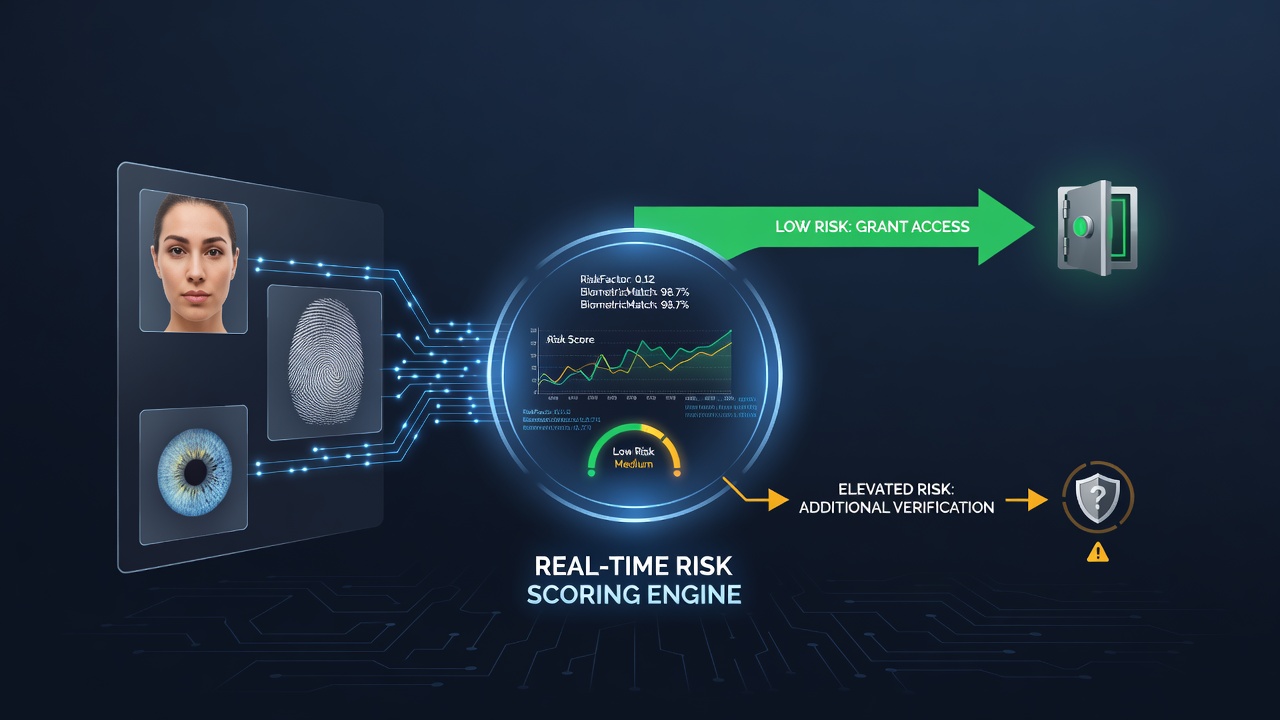
Network operators share anonymized risk signals through secure consortium frameworks, enabling collective detection of suspicious patterns that span multiple sportsbooks and casinos. This shared intelligence layer updates individual risk profiles in milliseconds, allowing a flagged device on one platform to prompt elevated scrutiny when the same user attempts access elsewhere. Observers note that such synchronization proves particularly useful during peak event periods when account takeover attempts increase alongside legitimate traffic spikes.
Regulatory and Compliance Considerations
Regulators in various regions require operators to demonstrate that biometric and risk scoring systems protect user data while preventing fraud, and compliance frameworks emphasize audit trails that record every authentication decision and score adjustment. Australian regulatory bodies have issued guidelines encouraging transparent data handling practices for cross-border networks, and platforms must retain logs that regulators can review during periodic examinations. These requirements influence how biometric templates are stored and how risk thresholds are calibrated to balance access speed with security obligations.
Industry associations track adoption rates and report that interconnected systems now cover a growing share of global wagering traffic, with biometric integration becoming standard in markets where mobile usage dominates. Data from academic analyses of gambling technology adoption indicate steady growth in hybrid verification models that combine multiple biometric types with behavioral analytics to address evolving threat landscapes.
Operational Impacts on User Experience and Network Efficiency
Players encounter fewer interruptions when moving between platforms because verified biometric profiles carry forward through linked accounts, and risk scoring prevents unnecessary blocks for routine activity. Case examples from North American operators reveal that average login completion times decreased after implementation, particularly for users who frequently switch between sportsbooks and casino sections within the same session. The system flags anomalies such as unusual geographic jumps or rapid successive logins from different devices, prompting targeted reviews without halting all traffic.
Technical teams monitor model performance through key performance indicators including false positive rates for risk flags and biometric match accuracy across diverse user populations. Adjustments occur regularly to account for new device types and emerging fraud techniques, maintaining system responsiveness as networks expand. What's interesting is how these refinements support broader operational goals such as reduced support ticket volumes related to access issues.
Conclusion
The integration of biometric verification with real-time risk scoring creates a unified framework that supports secure yet efficient account access throughout interconnected sportsbook and casino environments. Continued development in this area focuses on refining data exchange protocols and expanding compatibility across additional platforms, with regulatory oversight guiding responsible deployment. As networks evolve, the emphasis remains on maintaining accurate risk assessments while preserving user flow across betting and gaming verticals.