How Machine Learning Models Predict User Churn Rates in Digital Wagering Loyalty Programs
Written by Wendy Wolf · Aug 8, 2026
How Machine Learning Models Predict User Churn Rates in Digital Wagering Loyalty Programs
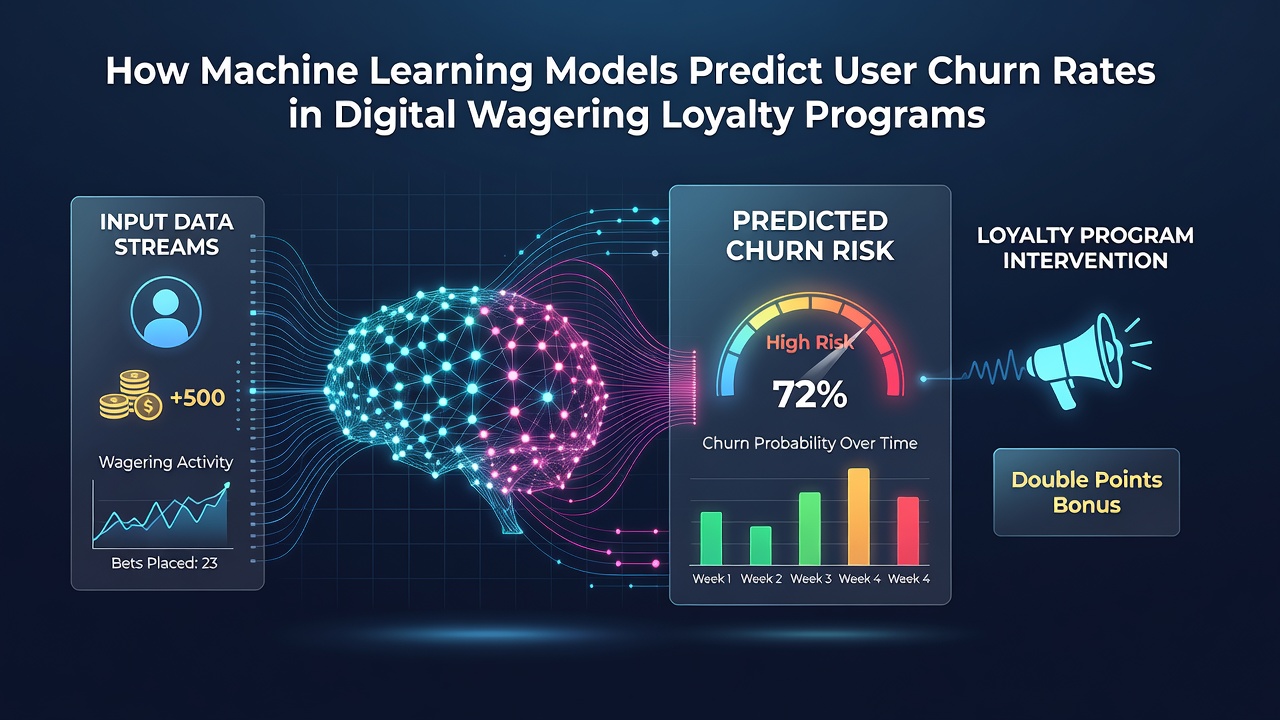
Digital wagering loyalty programs track extensive user activity to maintain engagement levels, and machine learning models now analyze patterns that signal when participants might reduce or end their activity. These systems process data from betting histories, deposit frequencies, and reward redemptions to generate churn probability scores that operators use for targeted retention efforts.
Data Inputs Driving Prediction Accuracy
Models draw from structured datasets that include login timestamps, wager volumes across sports and casino sections, and progression through tiered loyalty benefits. Research indicates that variables such as declining session durations combined with reduced bonus claims often precede account dormancy within 30 to 60 days. Operators collect these metrics through integrated platform APIs that feed real-time information into centralized databases, allowing models to update predictions daily or even hourly during peak periods.
Additional layers incorporate external signals like payment method changes or support ticket themes, which researchers have linked to shifts in user commitment. In August 2026 several major platforms expanded these datasets to include cross-device synchronization logs, revealing how mobile versus desktop usage patterns correlate with retention rates across different user segments.
Feature Engineering and Model Selection
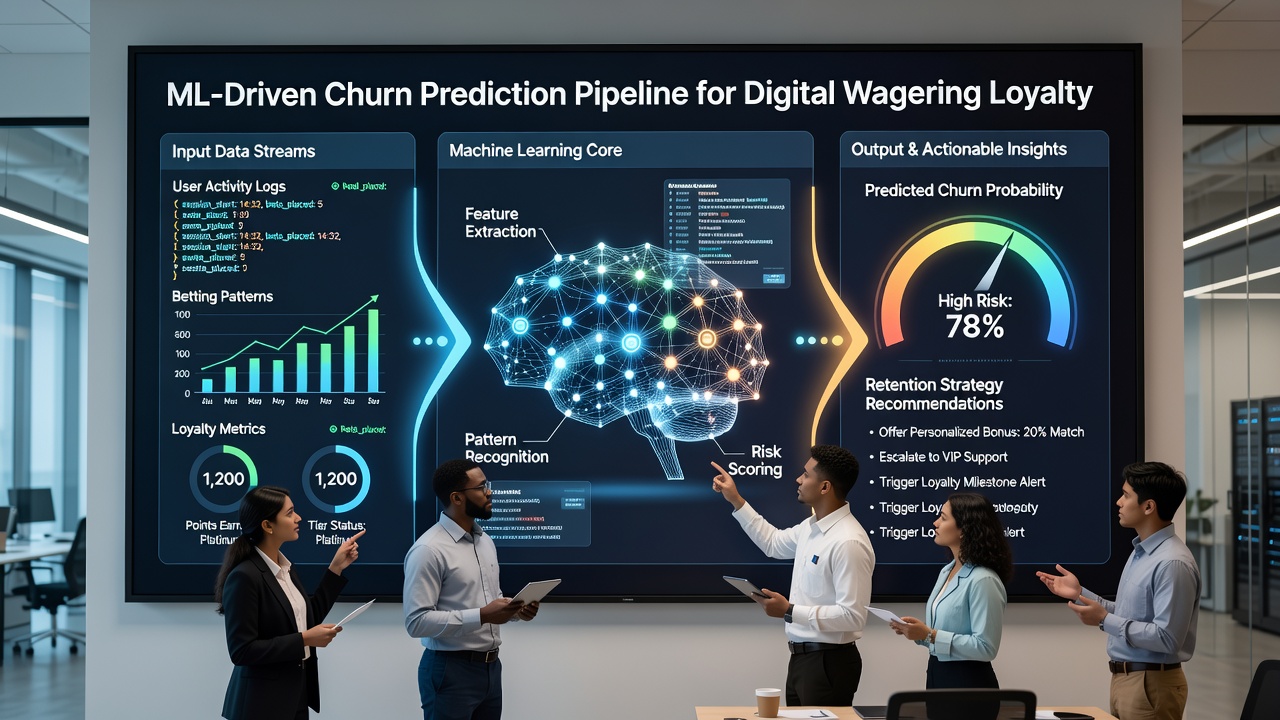
Feature engineering transforms raw logs into predictive variables such as average bet size trends, time between deposits, and responsiveness to promotional offers. Engineers apply techniques like time-series decomposition to isolate seasonal fluctuations from genuine disengagement signals. Logistic regression serves as a baseline for many implementations because it provides interpretable coefficients that highlight which behaviors most strongly influence churn likelihood.
More complex approaches employ gradient boosting frameworks and recurrent neural networks that capture sequential dependencies in user behavior over multiple weeks. Studies from academic groups have shown these ensemble methods improve precision by 15 to 25 percent compared with simpler statistical baselines when applied to loyalty program data from regulated markets. Hyperparameter tuning occurs through cross-validation on historical churn events, ensuring models generalize across different wagering verticals.
Integration with Loyalty Program Mechanics
Once scores are generated, platforms route high-risk users toward automated interventions such as personalized bonus offers or tiered reward accelerations. These actions trigger through rule-based systems that reference model outputs alongside current loyalty status. Canadian regulatory reports have documented how such integrations reduced voluntary account closures by measurable margins in provincially licensed operations during 2025 testing phases.
European operators have adopted similar frameworks under varying national frameworks, with data from industry associations showing that early identification of churn risk allows programs to adjust communication cadence without increasing overall marketing spend. The process remains iterative because model drift occurs when user preferences evolve or when new game types alter engagement baselines.
Evaluation Metrics and Ongoing Refinement
Performance assessment relies on metrics including area under the ROC curve, precision-recall balance, and lift charts that compare intervention outcomes against control groups. Organizations monitor false positive rates carefully since unnecessary outreach can itself accelerate disengagement. Continuous retraining pipelines incorporate fresh labeled data from accounts that have already churned, maintaining relevance as market conditions shift.
According to findings published by the National Council on Problem Gambling, transparent reporting of model performance helps align prediction systems with responsible gaming standards across multiple jurisdictions. Observers note that platforms conducting quarterly audits achieve more stable accuracy levels than those relying on static models.
Conclusion
Machine learning applications in wagering loyalty programs continue to evolve through expanded data sources and refined algorithms that better anticipate user trajectories. These tools operate within existing regulatory structures while providing operators with actionable insights derived from behavioral patterns. As platforms collect additional signals through August 2026 and beyond, the precision of churn forecasts is expected to support more efficient allocation of retention resources across global markets.