Examining Patterns in Bonus Rollover Completion Across Mobile Gambling Applications
Written by Wendy Wolf · May 30, 2026
Examining Patterns in Bonus Rollover Completion Across Mobile Gambling Applications
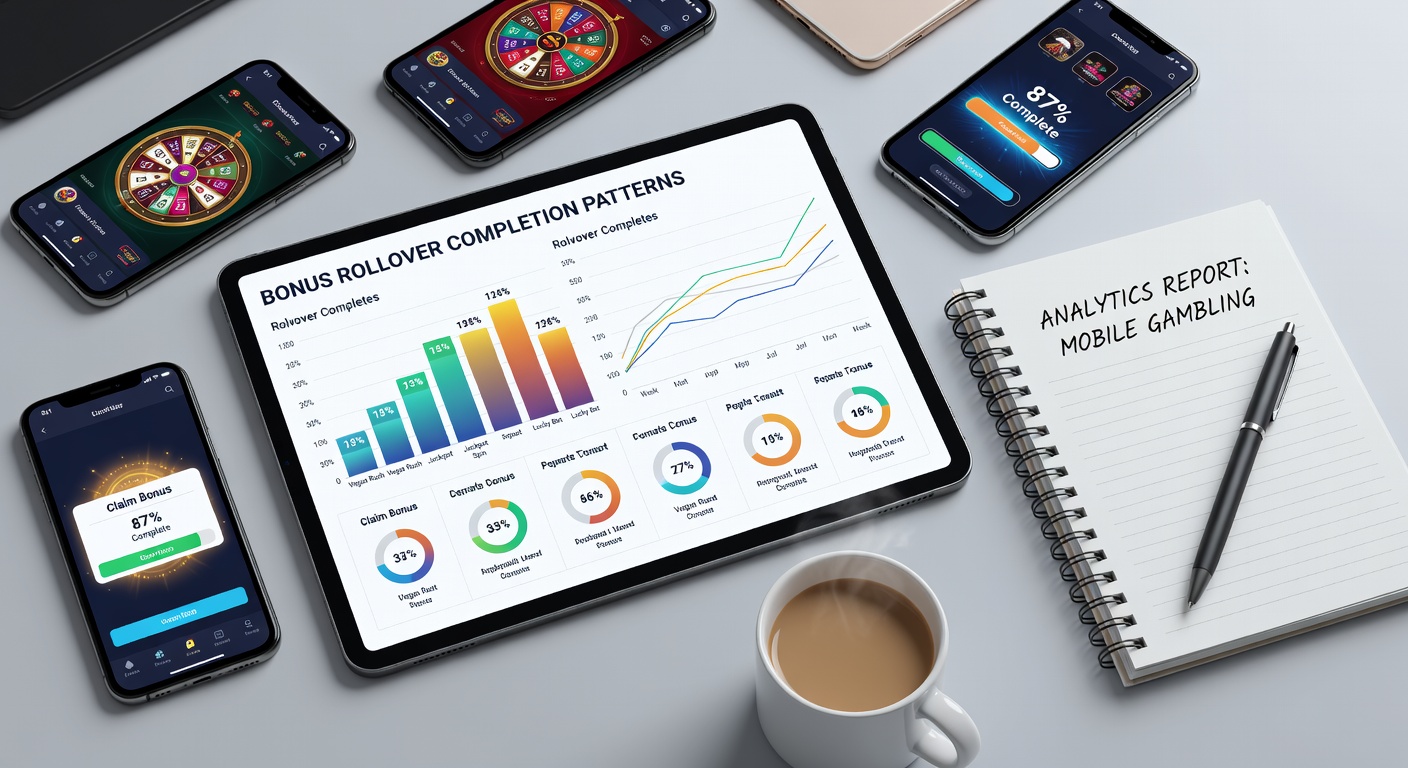
Bonus rollover requirements form a core element in mobile gambling applications where users must wager a multiple of their bonus amount before withdrawing any winnings, and data from industry reports shows completion rates vary widely depending on app design, bonus structure, and player behavior patterns observed through 2026.
Core Mechanics Behind Rollover Systems
Mobile platforms calculate rollover thresholds by multiplying the bonus value by a set number, often ranging from 20x to 50x, while certain games contribute at different percentages toward the total, and analysts tracking user sessions note that slots typically count at 100 percent whereas table games may contribute only 10 to 20 percent. These differences create measurable divergences in how quickly players advance through requirements across competing applications.
Observed Completion Rates and Regional Data
Studies compiled from operator disclosures indicate average completion rates hover between 35 and 45 percent for standard welcome bonuses in North American markets, yet figures climb above 50 percent when apps incorporate progress trackers and milestone notifications. In contrast, applications serving European users report slightly lower averages around 30 percent according to aggregated figures from regulatory filings submitted to bodies such as the Malta Gaming Authority. Patterns emerge when comparing free spin bonuses against deposit matches, with the former showing higher completion because lower thresholds reduce perceived friction.
Factors Shaping Player Progress Through Requirements
App interfaces that display real-time wagering meters tend to correlate with increased completion, as users receive visual feedback that encourages continued play, whereas platforms lacking such features see more sessions abandoned midway. Bonus validity periods also play a role, with shorter windows of seven to 14 days producing faster but lower overall completion compared to 30-day allowances that allow more flexible pacing. Demographic breakdowns reveal users aged 25 to 34 finish requirements at higher rates than older cohorts, likely due to differences in session frequency and preferred game types.
Payment method choices further influence outcomes because instant deposits via e-wallets enable quicker bonus activation, while slower bank transfers delay the start of the clock and reduce momentum. Operators have documented these links through internal analytics shared in industry conferences held during spring 2026.

Comparative Patterns Across Application Categories
Applications focused on sports betting display distinct rollover patterns compared to casino-centric apps, as live event wagers often contribute fully and allow users to complete requirements during high-volume periods like major tournaments. Casino-heavy platforms show steadier but slower progress because slot play dominates and variance in outcomes affects user persistence. Hybrid apps blending both verticals record intermediate rates, suggesting cross-promotion of game types can balance completion statistics.
Data collected through May 2026 highlights seasonal spikes, with completion rising during holiday periods when users have more leisure time and disposable funds, while mid-year lulls coincide with reduced marketing pushes. Apps that adjust bonus offers seasonally maintain steadier completion curves than those offering static promotions year-round.
Technical and Regulatory Influences on Outcomes
Integration with device notifications and biometric login features appears to support higher completion because frictionless access keeps users engaged during short breaks throughout the day. Regulatory frameworks in jurisdictions such as those overseen by the Alcohol and Gaming Commission of Ontario impose transparency rules around requirement disclosure, and operators complying with these standards report fewer disputes and marginally higher completion figures than less regulated markets. Academic reviews from institutions including the University of Nevada, Las Vegas have examined these correlations using anonymized transaction datasets, confirming that clear communication reduces early exits.
Cross-platform synchronization also emerges as a variable, since users who switch between mobile and desktop versions sometimes lose progress visibility and abandon requirements, prompting developers to prioritize unified tracking systems.
Conclusion
Patterns in bonus rollover completion reflect an interplay of design choices, regional regulations, and user demographics that operators continue to monitor through detailed analytics. Applications incorporating progress indicators, flexible timeframes, and varied game contributions consistently post stronger results, while external factors such as payment speed and seasonal timing add further layers of variation. Continued examination of these metrics through 2026 and beyond provides operators with actionable insights drawn directly from observed user data across diverse mobile environments.